Product
Is it pre-pasted, paste-the-wall, traditional, self-adhesive or a specialty material? Use the product’s own instructions.
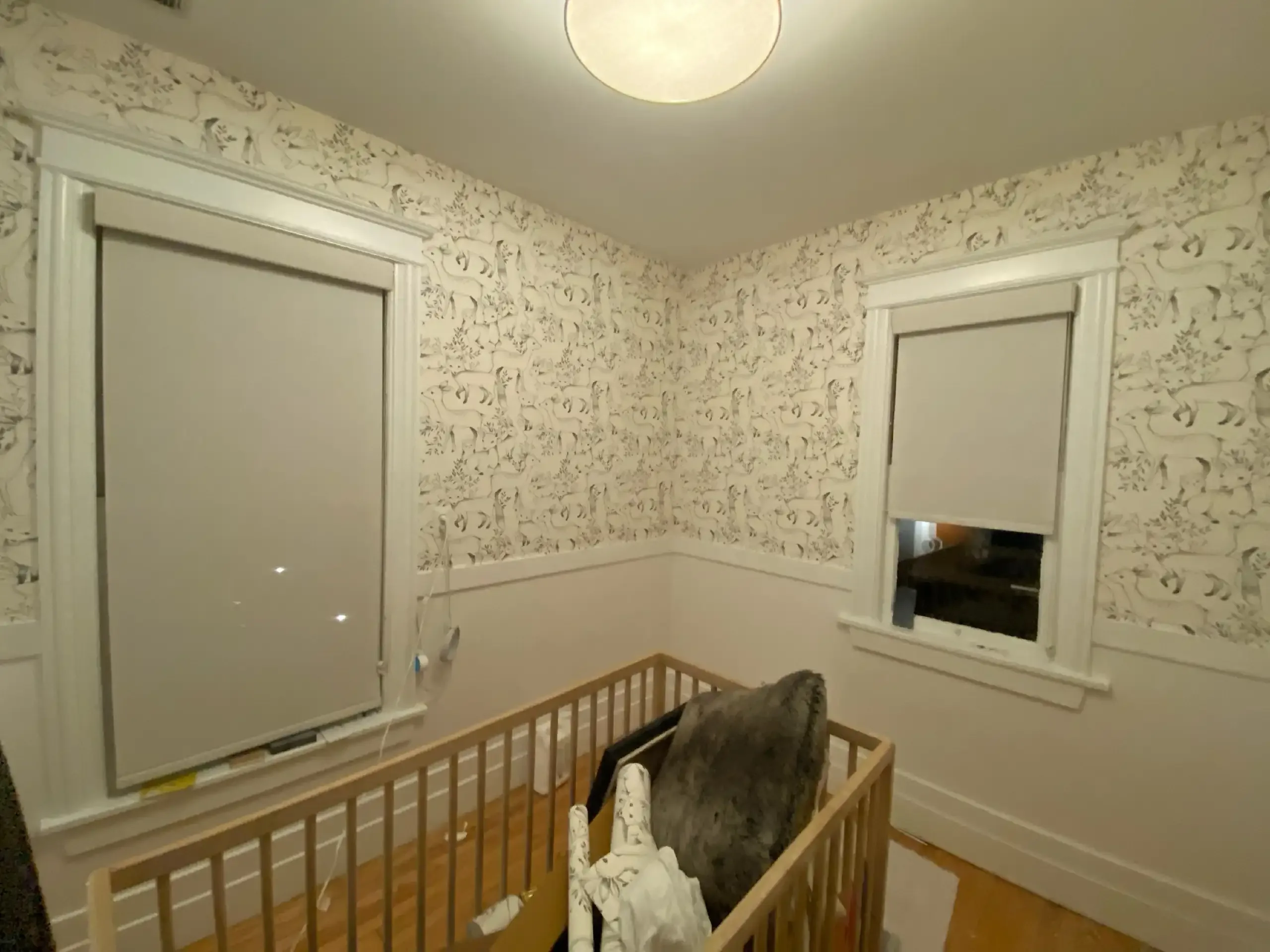
Material, surface and scale work together. This guide helps you think through them before wallpaper installation begins.
Wallpaper can make a small room feel enveloping, bring a little movement to a quiet wall or give a commercial interior a clearer point of view. A good result begins with a few practical questions—not a perfect plan. The product instructions remain the authority for material-specific handling, surface requirements and adhesive compatibility.
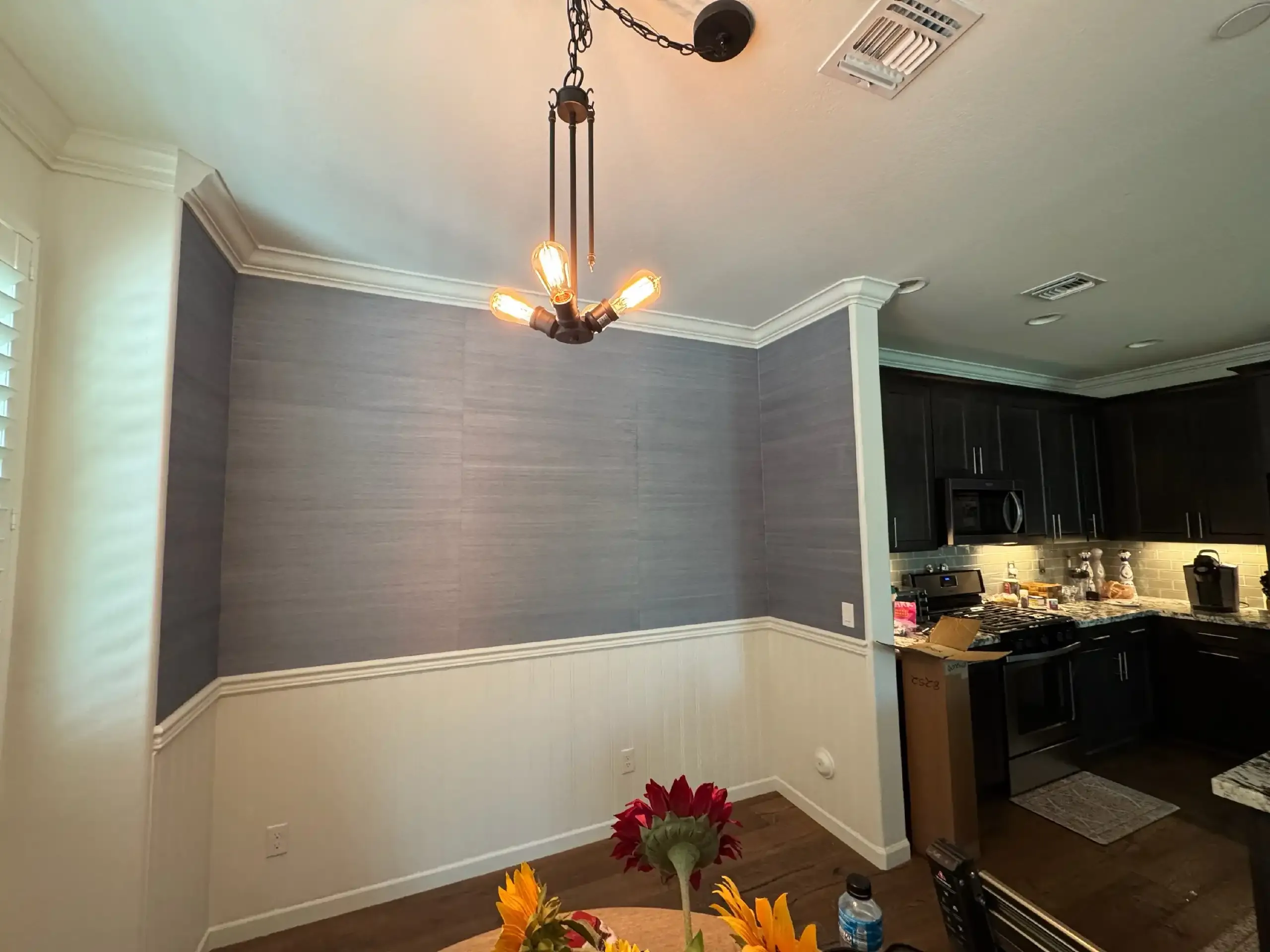
Look for loose or peeling paint, visible damage, old wallpaper, adhesive residue, stains or repairs that have not been finished smooth. These conditions do not automatically determine the solution, but they can affect how the surface is prepared. Dust, grease and an uneven finish may also matter to how a covering adheres.
Preparation varies with the wall and the wallcovering. Wallpaper-industry guidance emphasizes surface repair and cleaning, and directs users to follow the wallpaper and adhesive manufacturer’s instructions for the intended application. If there is moisture damage, active mold or a larger surface problem, address that condition appropriately before considering a new covering.
Self-adhesive wallpaper is not a universal answer for every wall. The product may specify a smooth, clean and dry surface, and may limit application over certain paints, textures or finishes. Follow the exact brand’s preparation directions rather than assuming that all peel-and-stick materials behave alike.
For a planned installation, keep the product label or link handy. If the wall is textured, freshly painted or has a particular finish, mention that when you call so the material and surface can be discussed together.
A repeating motif needs to line up from strip to strip. Larger repeats can affect how much material is needed because each drop may require extra length to meet the pattern. Windows, doors, corners and ceiling height also change where cuts and seams land. These details are why a roll count based only on floor area may not tell the whole story.
Before ordering, check the manufacturer’s coverage and pattern-match information for your exact product. When possible, keep rolls from the same batch or dye lot, and confirm the quantity with the retailer or installer before installation begins.
Is it pre-pasted, paste-the-wall, traditional, self-adhesive or a specialty material? Use the product’s own instructions.
Is the wall painted, textured, previously papered, recently repaired or otherwise in need of attention?
How many walls are in scope? Are there openings, corners, tall ceilings or trim details to discuss?
Project city and a plain-language description are a useful start. Approximate wall dimensions, the wallpaper name and pictures of the surface can help add context if you already have them. You do not need to calculate every measurement or gather photos before calling. If a site visit or measurements may be useful, you can ask whether one can be arranged; availability is confirmed for the specific project.
Yes. You can describe the room and what you are considering without exact dimensions. Measurements can be helpful later, but they are not required for an initial conversation. You may also ask whether an on-site visit is possible for your project.
That depends on the existing material, its condition, the wall beneath it and the new product’s instructions. Old seams or surface irregularities may show through, and some combinations are not suitable. The specific wall and materials should be discussed before that decision is made.
There is no single extra amount that fits every pattern or room. Repeat size, drop match, wall height, openings and roll coverage all affect the calculation. Check the product’s technical details and confirm the quantity with the retailer or installer before ordering.
It depends on the product and the texture. Some products require a smooth surface for contact; others may specify different limitations. Follow the manufacturer’s exact directions and mention the wall finish when discussing installation.
Not necessarily. The appropriate surface condition, primer and any waiting period depend on the paint, wallcovering and manufacturer instructions. Discuss recent painting or repairs before installation so the products and timing can be considered together.
Have a product in mind? Let’s talk about the wall it will meet.
Call (516) 990-6118